Understanding Concrete Pump Types
A comprehensive guide to boom pumps, line pumps, and specialized equipment to help you choose the right pump for your projects.
Choosing the right concrete pump is crucial for project efficiency and profitability. The two main categories—boom pumps and line pumps—serve different purposes and excel in different situations. Understanding their strengths helps you select the best equipment for each job.
Boom Pumps
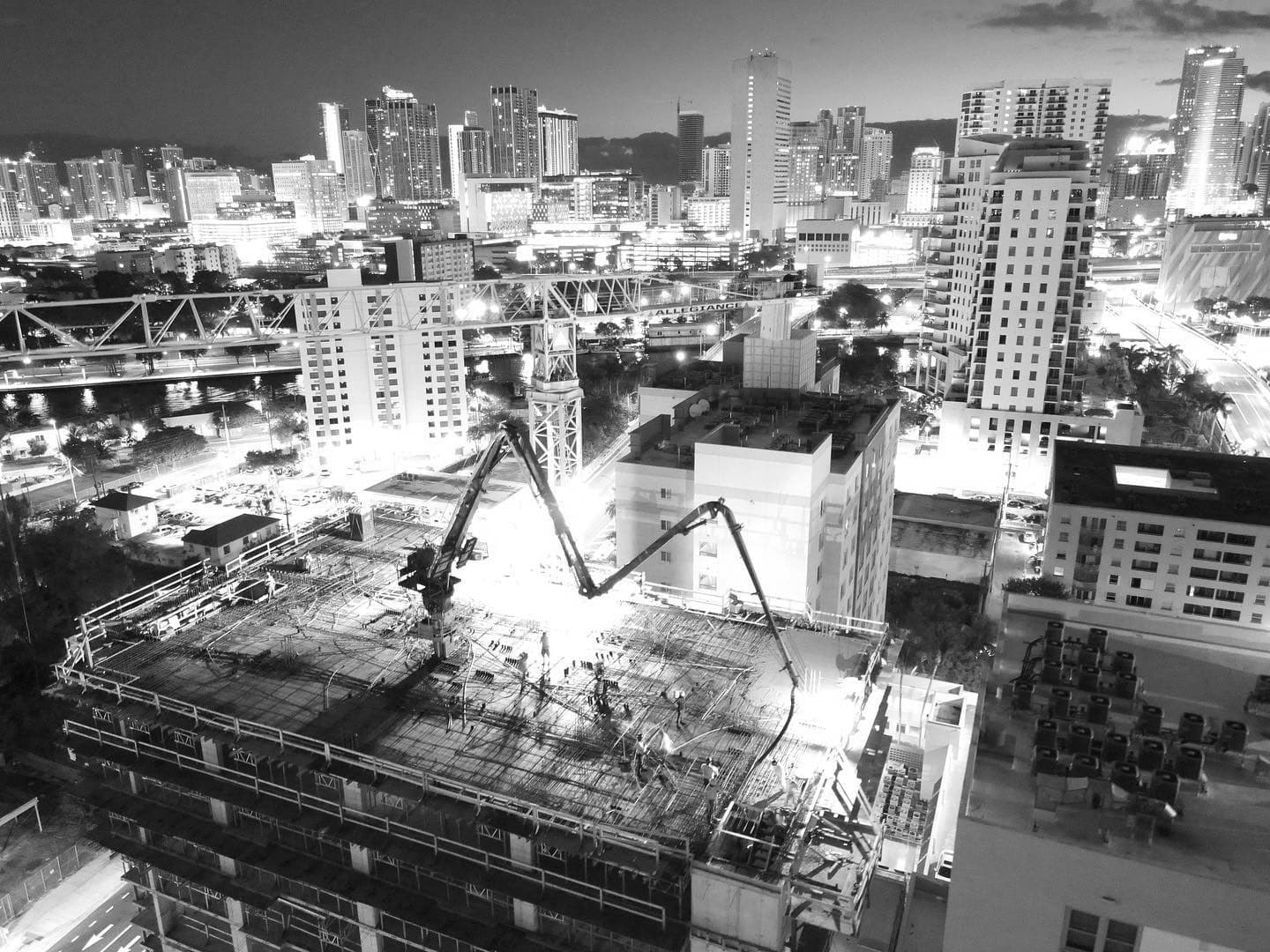
Truck-mounted concrete pumps with articulating booms for precise placement at height and distance.
Key Specifications
Reach Range
20m - 70m+
Output
90-200+ yd³/hr
Setup Time
15-30 minutes
Crew Required
1-2 operators
Best For
- High-rise construction
- Large commercial projects
- Bridge and infrastructure work
- Jobs requiring speed and volume
- Difficult access areas (can reach over obstacles)
Considerations
- •Higher purchase/rental cost
- •Requires space for truck and outriggers
- •More complex maintenance
- •Weight restrictions on some sites
Line Pumps
Trailer-mounted or stationary pumps that move concrete through ground-laid hoses and pipes.
Key Specifications
Horizontal Reach
Up to 1,500 ft
Vertical Reach
Up to 300+ ft
Output
40-90 yd³/hr
Setup Time
30-60 minutes
Best For
- Residential foundations and slabs
- Pool construction
- Footings and grade beams
- Shotcrete applications
- Tight access areas
- Specialty concrete mixes
Considerations
- •Requires more labor for hose management
- •Slower for large-volume pours
- •Physical hose limitations on distance
- •Weather can affect hose handling
Specialized Equipment
Placing booms, parts, pipeline systems, and specialized pumping equipment for unique applications.
Key Specifications
Types
Placing booms, parts, accessories
Applications
Various specialized needs
Compatibility
Multiple brands
Best For
- Large pours requiring separate placing boom
- Replacement parts and wear items
- Custom pipeline configurations
- Specialized pumping (grout, shotcrete)
Considerations
- •Often purchased to complement existing equipment
- •Parts availability varies by brand
- •May require specialized knowledge
Boom Pump vs Line Pump Comparison
| Feature | Boom Pump | Line Pump |
|---|---|---|
| Initial Cost | Higher ($100K-$600K+) | Lower ($30K-$150K) |
| Operating Cost | Higher (fuel, maintenance) | Lower |
| Speed/Volume | Faster, higher output | Moderate output |
| Setup Time | 15-30 minutes | 30-60 minutes |
| Labor Required | 1-2 operators | 2-4 crew members |
| Reach Flexibility | Fixed by boom length | Unlimited with more hose |
| Access Requirements | Needs truck access + outrigger space | Works in tight spaces |
| Specialty Mixes | Limited by pump design | Better for varied mixes |
Which Type Should You Choose?
Choose a Boom Pump if:
- • You primarily do commercial or high-rise work
- • Speed and volume are top priorities
- • You have good site access for trucks
- • You pour 100+ yards per job regularly
- • Projects require reaching over obstacles
Choose a Line Pump if:
- • You focus on residential or small commercial
- • Many of your sites have tight access
- • You work with specialty concrete mixes
- • Lower equipment cost is important
- • You need flexibility in distance
Find the Right Pump for Your Needs
Browse our current inventory or contact us for expert advice on selecting the best concrete pump for your business.